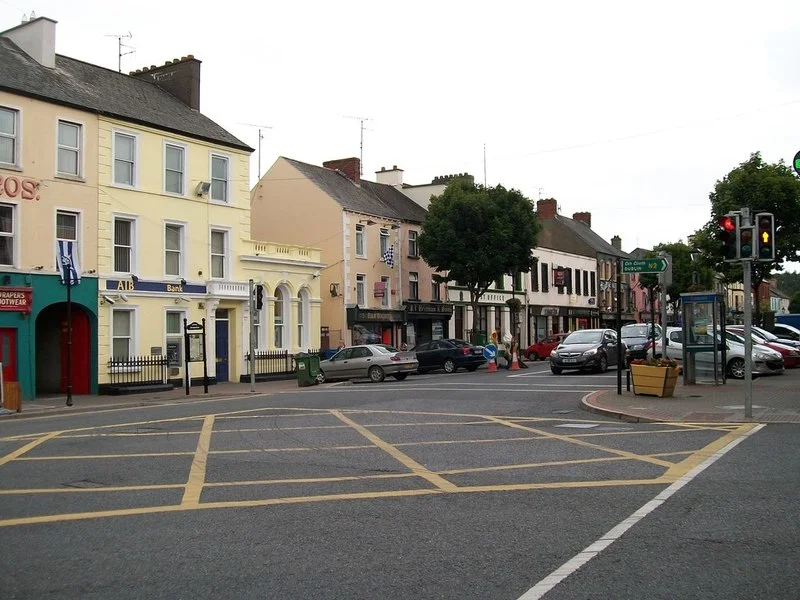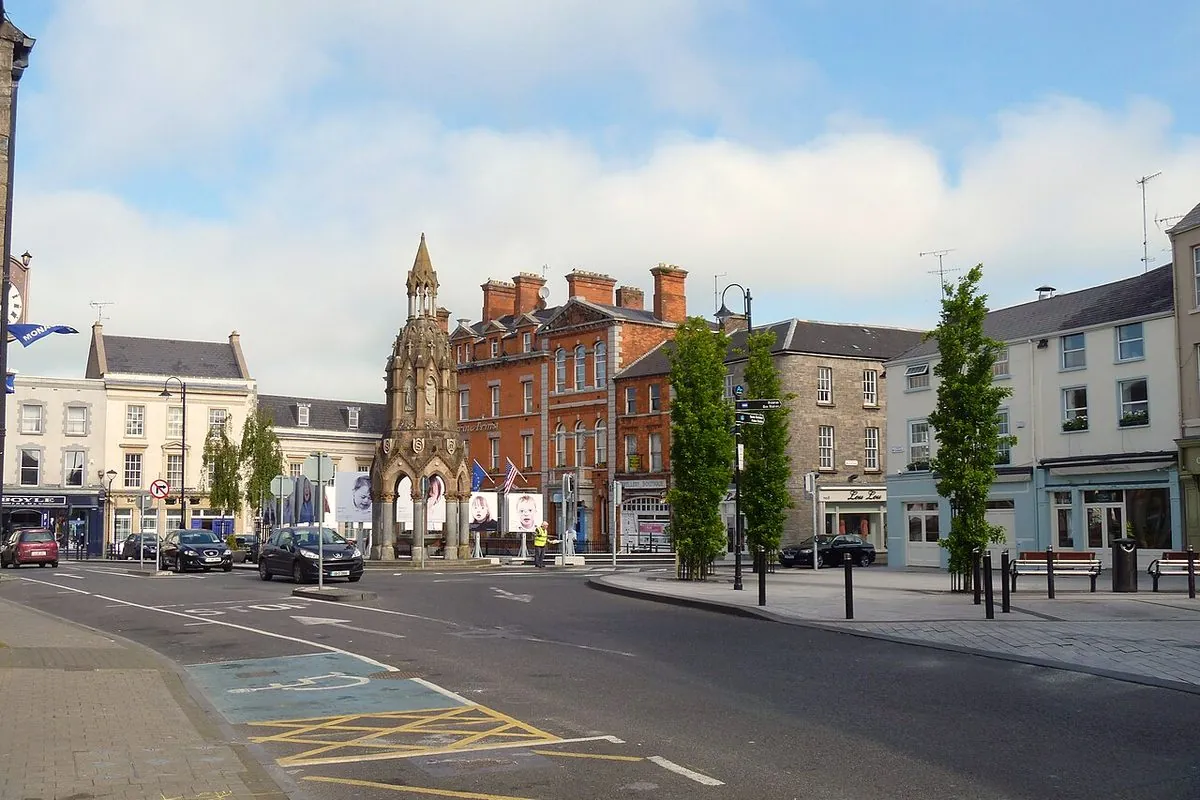
Yes. Catherine Ardagh, Minister of State at the Department of Justice, Home Affairs and Migration, visited the Monaghan Neighbourhood Youth Project at the Peace Campus on Monday, 16 November, for the launch of the project's 2027 annual plan, the Anglo-Celt reported.
The Anglo-Celt said the minister also visited the Cavan 365 Youth Diversion Project at Tullacmongan Resource Centre the same day. Both projects are managed by Foróige in partnership with An Garda Síochána and are co-funded by the Department of Justice under the National Youth Justice Strategy 2021-2027. The paper said the 2027 annual plans are based on an analysis of youth crime statistics in the two counties and are meant to divert young people from the criminal justice system, strengthen family wellbeing and provide early intervention.
At the Peace Campus, Colin McAree, Foróige's eastern area manager, told the Celt that driving offences, public order offences and theft from shops are the "three primary youth crimes" the Monaghan project sees. He said road traffic offences are "quite prevalent," which can include young people "borrowing cars" and driving without insurance, tax, or a designated driver with them. "Typically, when kids are out of school is when youth crime peaks so we look at those key times of the year and see can we engage young people in programmes that will keep them safe," he said.
McAree described the work as a long effort to change behaviour and build skills, not a quick referral. He gave the example, without naming anyone, of a repeat offender who came to the project with 35 offences in 2025. "In 2026 through the work of the project we reduced that to three [offences]," he said. "The staff make a huge commitment because it's not easy to engage these young people to start with because they are quite vulnerable." He added: "The key in youth work is that you have to meet the young people where they are at, you have to persevere, you have to build that relationship which takes a considerable period of time." What matters most, he said, is that "we want young people to realise they can make a real change now."
We are not identifying any young person connected with the project. Group photographs published with the report included first names in some captions; those names are omitted here.
The Cavan side of the same visit, as the Celt reported it, included Senior Youth Officer Sharon Ivers saying the Cavan service is seeing "high levels" of substance misuse and early school leaving, and "a lot" of drug debt intimidation. County Cavan recorded 167 youth offences among 12- to 18-year-olds from July 2025 to July 2026, with 25 percent related to traffic offences, 19 percent to theft and 14 percent to assaults, the paper said. Those Cavan figures are not a substitute for a Monaghan offence total, which the coverage we reviewed did not separately list. Minister Ardagh told the Celt she was "blown away" by the Cavan project and called the work "instrumental."
The confirmed Monaghan facts are the 16 November visit to the Peace Campus, the 2027 annual plan, the Foróige and Garda partnership under the national strategy, and McAree's description of the main offence types and of the work itself. Anyone looking for help or making a referral should go through the official youth diversion project, Foróige or Garda channels, not through a news story.